
Dr. Susanne Talcott’s research focuses on translational pharmacokinetics and pharmacodynamics of botanical compounds and their physiological metabolites related to inflammation, cancer prevention, and intestinal health with a focus on human clinical trials.
Research Focus
Millions of Americans consume plant-based foods, including dietary supplements and functional foods with the hope of preventing or even treating inflammation and associated chronic diseases. However, limited research is investigating safety, efficacy, and dosing recommendations of non-nutrient bioactive food compounds. Hence, consumers, public health care, as well as the food industry, have little to no guidance related to efficacy, safety and intake recommendations. The overall objective of our laboratory is to investigate pharmacokinetics and pharmacodynamics of bioactive plant compounds and their metabolites and their anti-inflammatory efficacy in the reduction of risk factors for chronic degenerative diseases such as cancer and cardiovascular disease and their underlying molecular mechanisms. , pharmacokinetics and pharmacodynamics and underlying molecular mechanisms in a translational research approach (bench to bedside) of polyphenolics in fruits and vegetables in collaboration with an interdisciplinary research team. It is our long-term goal to contribute valuable information to the future development of dosing recommendation for these non-nutrient food components that meets the needs of public health care, patients and consumers, and food and dietary supplement industry.
Research Areas

Phytochemical Analysis: Studying phenolics, flavonoids, and carotenoids in fruits, vegetables, and botanicals.

Translational Clinical Research: Investigating the effects of non-nutrient food components on chronic diseases such as cancer and cardiovascular disease.

Intestinal Microbiome: Exploring interactions between gallotannins, probiotics, and obesity-related dysbiosis.

Sustainable Food Production: Developing cactus-based crops and value-added ingredients for marginal lands.

Educational Outreach: Running summer research experiences for high school teachers and undergraduate students
Meet our Principal Investigator

Dr. Susanne Talcott research focuses on translational pharmacokinetics and pharmacodynamics of botanical compounds and their physiological metabolites related to inflammation, cancer prevention, and intestinal health with a focus on human clinical trials.
Our Current Research Projects
Anti-inflammatory Interactions of Gallotannins with the Intestinal Microbiome in Obesity
This project aims to explore how probiotic strains can enhance the health benefits of gallotannins, particularly for individuals with obesity-related intestinal microbial dysbiosis.
Sustainable production of food ingredients and agrochemicals from cactus (Opuntia spp): Bridging rural socio-economic & health disparities
Our goal is to explore the feasibility of establishing PPC as a crop on marginal lands for value-added applications from foods to fuels. Focus areas in PPC cultivation on arid/semiarid lands, process optimization and safety of fresh nopal/tuna, fermentations to produce carboxylic acids, metabolomic health benefits, producer and consumer economics, and creating programs to integrate extension outreach, education, and mentorship to develop future leaders in agriculture
Summer Research Experiences for High School Teachers and Undergraduate students
In addition to the scientific investigation, both projects integrate educational activities:
This project is a five-day summer workshop where high school STEM teachers team up for hands-on food science and nutrition research, create custom curriculum for their classrooms, and earn professional development credits all aimed at bringing innovative, real-world science experiences to diverse student communities.


This project is a fully funded, three-week summer program for undergraduate STEM students from Texas A&M and Prairie View A&M Universities. Participants conduct hands-on food science and nutrition research, develop leadership and science identity, and create customized academic and career plans. The program also provides ongoing mentorship, networking, and skill-building opportunities with all costs, including housing, food, supplies, and outings, covered, plus a stipend upon completion.


Meet our current graduate students

Armaghan Amanipour (PhD. Student)(Co-Chaired): Chemistry of cactus mucilage
She holds a B.S. in Chemical Engineering from Iran and earned her M.S.c in Food Technology and Nutrition from Lund University in Sweden. Following her master’s, Armaghan worked as an R&D Engineer in Sweden, focusing on food innovation and product development
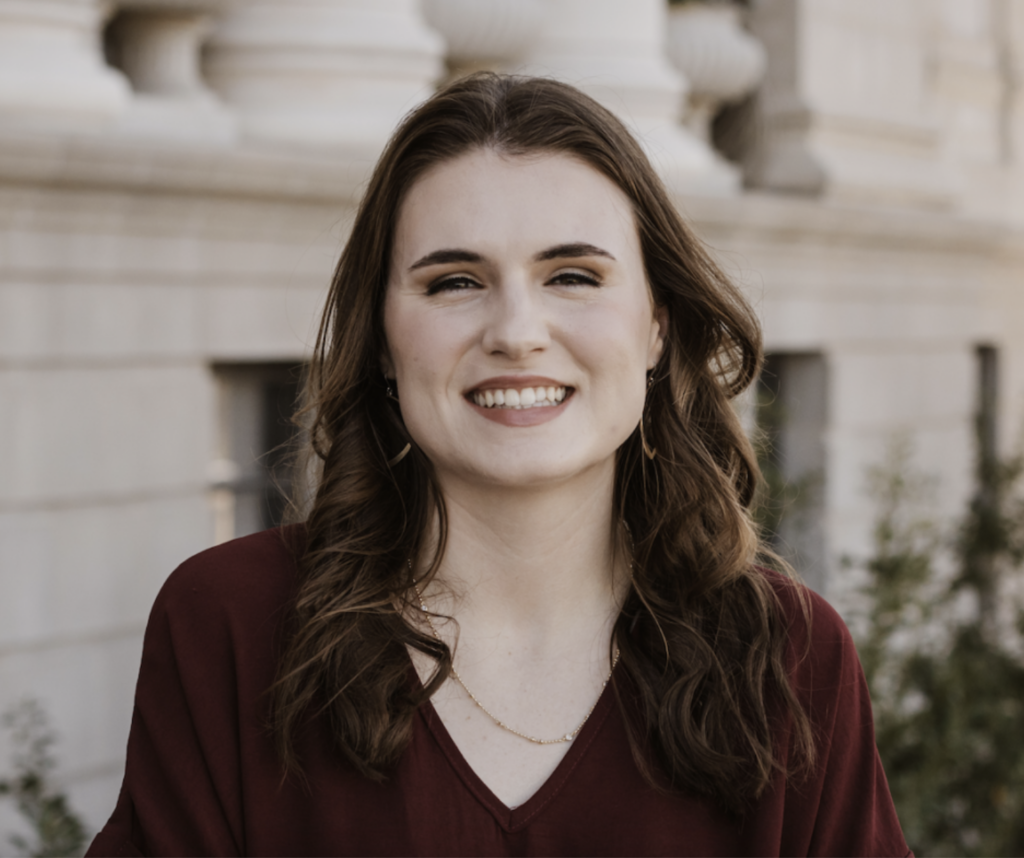
Elizabeth Culpepper (PhD. Student)(Co-Chaired): Hydrolysable tannins, gut microbita
She earned her B.S. in Nutrition from Texas A&M University in 2022. She then completed the Texas A&M University Dietetic Internship Program in 2023 and earned her Registered Dietitian Nutritionist (RDN) credential.

Juengeun Im (PhD. Student): AI in food science, plant based functional foods
She earned her M.S. in Pharmaceutical Science from Dankook University, Korea in 2020.After graduation, she spent three years at the Ministry of Food and Drug Safety (MFDS), working first as a toxicology researcher and later as a functional cosmetic reviewer. She also expanded her expertise in artificial intelligence as a senior researcher with the Medical AI Research Team at Chungbuk National University Hospital.

Sergio Serna Hernandez (PhD. Student)(Co-Chaired): Ellagitannins, gallotannins metabolism
He earned his B.S. in Food Science and Technology, 2019 and MS Biotechnology from Instituto Tecnológico y de Estudios Superiores de Monterrey (Mexico) in 2021 under Dr. Jorge Welti.

Tara Mahmood (PhD. Student): Anti-inflammatory foods in the human gut
She earned her B.S.in Human Nutrition in 2015 at Arizona State University, where she also obtained her M.S. in Human Nutrition under Dr. Corrie Whisner.
Meet our Research Team

Andrea Urrutia (Research Specialist): Food safety, cactus project coordinator
She holds a B.S. in Food Science and Technology from Zamorano University and a M.S. in Food Science from Auburn University, Auburn. Her previous research was conducted in natural food antimicrobials to reduce the use of chemical applications in the food industry. After completing her master she joined the Food industry, working as HACCP Coordinator working closely with FDA and USDA regulations.

Babak Pakbin (Assistant Research Scientist): Probiotics, postbiotics, microbial metabolites
Dr. Pakbin integrates advanced in vitro, in vivo, and multi-omics approaches, including metagenomics, cell culture assays, and metabolomics analysis, to investigate the therapeutic potential of microbial metabolites in gastrointestinal health, immune modulation, and cancer prevention. His current research aims to elucidate the functional mechanisms of bioactive microbial compounds and develop sustainable bioprocesses for the next generation postbiotic and probiotic applications

Giuliana Noratto-Stevens (Research Scientist): Dairy/Plant bioactives, clinical obesity research
Dr. Giuliana Noratto-Stevens has ongoing research investigating the effect of polyphenolic compounds (anthocyanins) in dark sweet cherries on breast cancer cells and the gut microbiota-liver-brain axis. Currently, Dr. Noratto is evaluating polyphenolic compounds on overcoming multidrug resistance and evaluating their effect in detoxification mechanisms

Larissa Lorrane Rodrigues Borges (Postdoctoral Research Associate): Phytochemicals, metabolomics, gut microbiota
Dr. Larissa Borges holds a B.S. in Food Engineering from Federal University of Minas Gerais, Brazil, and both an M.S. and Ph.D. in Food Science and Technology from Federal University of Viçosa, Brazil. Her research experience integrates advanced analytical techniques to investigate the extraction, purification, stability, and metabolism of bioactive compounds derived from plant-based foods, as well as their potential health benefits using in vitro and in vivo models.

Rodrigo San-Cristobal (Assistant Research Scientist): Precision nutrition, metabolomics, biostatics
Dr. Rodrigo San Cristobal Blanco has an extensive experience analyzing complex dietary, metabolic, genetic, and epigenetic data using advanced statistical approaches, including linear mixed models and integrative omics analyses, to explore gene-environment interactions and individualized responses to dietary interventions. He is currently focusing on metabolomics, gut microbiota, and immune profiling to inform evidence-based nutritional strategies